Japanese Grand Prix Preview 2026: Suzuka’s Legacy Meets Shock Odds
Published:
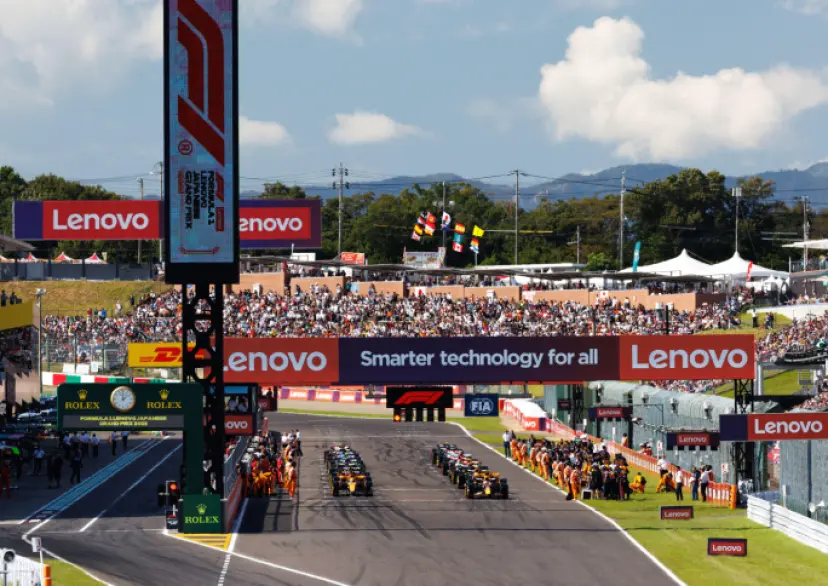
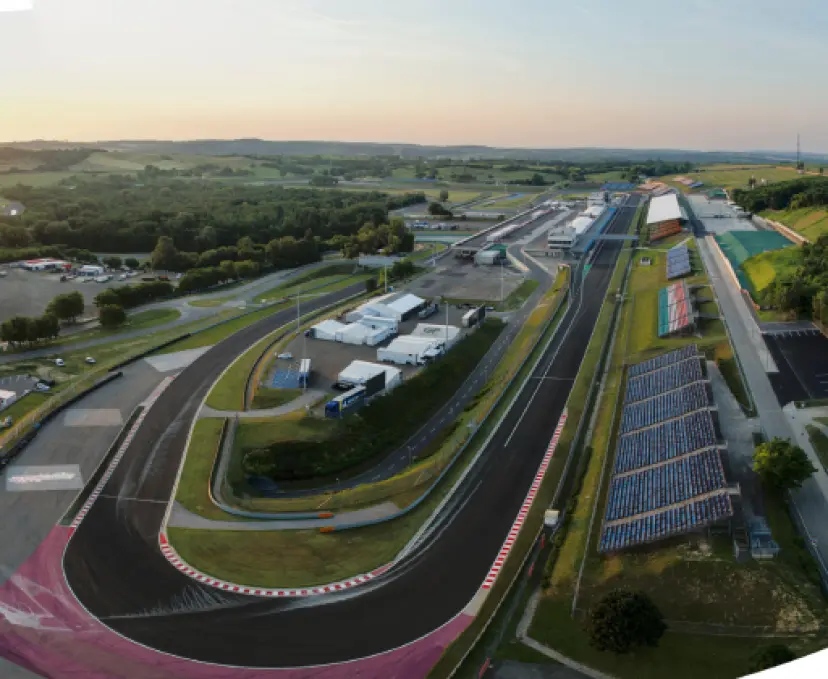
Few circuits in motorsport carry the weight and drama of Suzuka. Built in 1962 and owned by Honda, this iconic figure-eight track is one of the most technically demanding layouts in Formula 1. From the flowing Esses in Sector 1 to the high-speed 130R and the tight Casio Triangle chicane, Suzuka rewards precision, bravery, and balance.
The Japanese Grand Prix has been the stage for some of the sport’s most defining moments. Legendary title battles between Ayrton Senna and Alain Prost in 1989 and 1990 turned Suzuka into a symbol of rivalry and controversy. The circuit has also seen its share of chaos, from first-lap collisions to high-speed incidents that underline just how unforgiving it can be. Even in the modern era, changing conditions and narrow margins have produced unpredictable, edge-of-your-seat racing.
2026 Odds: A Market Turned Upside Down
Heading into this year’s race, the outright market has raised eyebrows across the paddock.
At the top sits George Russell (1.65) (a commanding favourite) followed by rookie sensation Kimi Antonelli (3.50). Meanwhile, established stars like Lewis Hamilton (9.00) and Charles Leclerc (11.00) sit further back.
But the real shock?
Defending powerhouse teams Red Bull and McLaren are priced as outsiders:
Max Verstappen — 23.00
Lando Norris — 34.00
Oscar Piastri — 34.00
For teams that dominated as recently as last season, this is a dramatic shift.
What’s Gone Wrong for Red Bull & McLaren?
The odds reflect deeper technical issues that have disrupted the balance of power in 2026.
Red Bull’s Struggles
Red Bull’s biggest challenge this season has been car instability. Reports suggest a narrow operating window, meaning the car is extremely sensitive to setup changes. On a circuit like Suzuka, where rhythm and aerodynamic consistency are everything, that unpredictability becomes a major weakness. The rear-end instability in high-speed corners has made it difficult for drivers like Verstappen to push with confidence.
McLaren’s Drop-Off
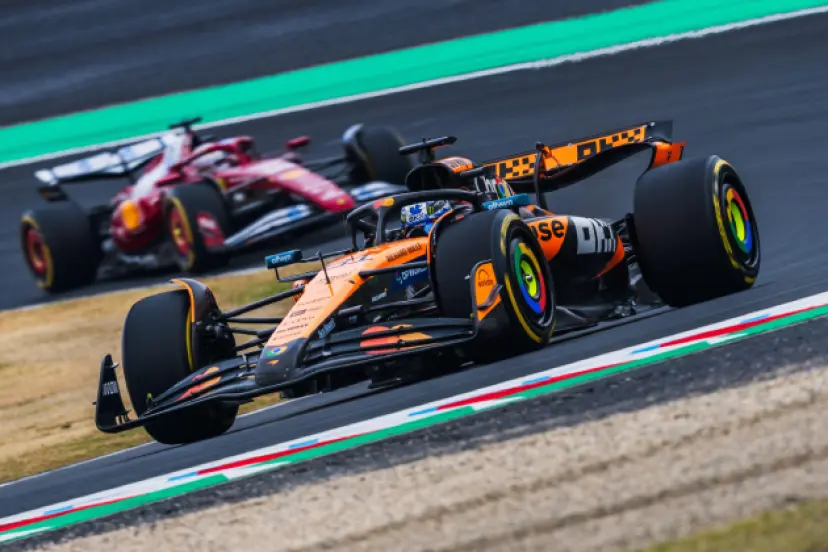
McLaren, last year’s benchmark, appear to have lost their edge in both straight-line efficiency and tyre management. Their car has shown flashes of pace but lacks consistency over a full race stint. Suzuka’s demanding layout (especially through long, flowing corners) exposes any imbalance, and McLaren haven’t yet found the setup to compete at the front.

Why the Favourites Are So Short
The rise of Mercedes is no accident: and the odds reflect that.
George Russell (1.65)
Russell’s dominance in the odds suggests a car that is not only fast, but predictable. Mercedes have clearly nailed their aerodynamic package, delivering a car that thrives in high-speed corners, exactly what Suzuka demands. Stability, tyre preservation, and qualifying pace all point to Russell as the man to beat.
Kimi Antonelli (3.50)
Antonelli’s rapid rise has been one of the stories of the season. Backed by the same machinery, he’s shown composure and outright pace well beyond his experience. At Suzuka, confidence is everything, and Antonelli looks like he has plenty of it.
A Circuit That Punishes Weakness
Suzuka doesn’t hide flaws: it exposes them.
If your car lacks balance, the Esses will punish you.
If your aerodynamics aren’t dialled in, 130R becomes a risk.
If your tyres drop off, the final sector will cost you everything.
That’s why the odds look the way they do. This isn’t just market movement, it’s a reflection of which teams have adapted to 2026’s demands, and which are still searching for answers.
Final Thought
The Japanese Grand Prix has always been a race where narratives shift, and 2026 feels no different.
With unexpected favourites, struggling giants, and a circuit that rewards only the complete package, Suzuka is set for another chapter of unpredictability.
And if history has taught us anything… it’s that Suzuka rarely follows the script.